
Sports injury
Plantar Fasciitis in Runners: Why Rest Alone Rarely Fixes It
July 8, 2026 • 7 min read
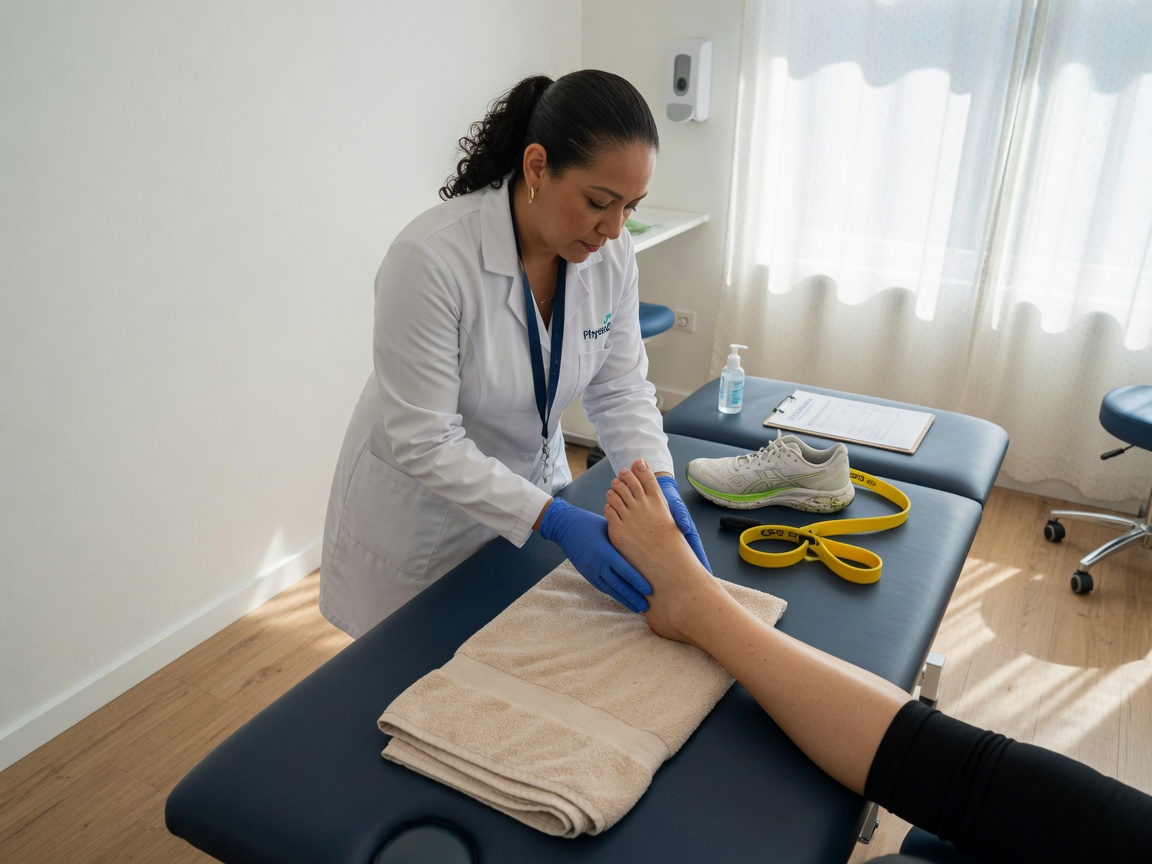
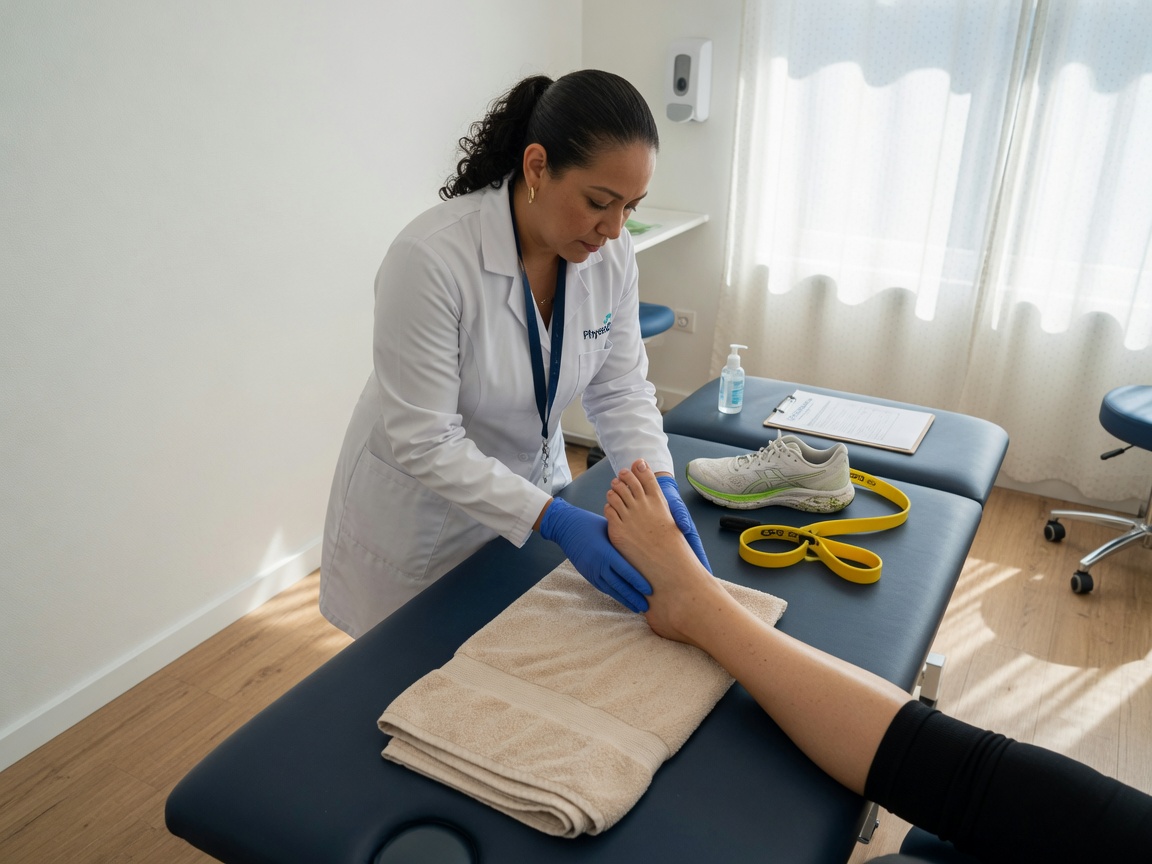
That first-step-out-of-bed heel stab is the calling card of plantar fasciitis. Runners in Oshawa often try to wait it out with ice and new shoes. Rest calms it; it does not rebuild the tissue that failed under load.
Why the fascia gets angry
The plantar fascia is a thick band from heel to toes. It can get irritable after a jump in mileage, a switch to more minimal shoes, calf tightness, or a winter of treadmill work. We also look up the chain: big-toe mobility, ankle dorsiflexion, hip control on single-leg stance, and how you actually strike.
What treatment looks like here
- Load, don’t just stretch. Heavy-slow calf raises and specific fascia loading beat endless towel scrunches.
- Hands-on care. Massage, Graston-style instrument work, and joint mobilization when the ankle or midfoot is stiff.
- Shockwave. For stubborn cases that have been around for months, radial shockwave can help kick-start healing.
- A return-to-run plan. Walk-run progressions, surface changes, and when to keep easy miles versus stop.
Cortisone injections and complete shutdown are last resorts, not the opening move. Most people keep some activity — just not the workout that keeps flaring the heel.
How soon should you come in?
If morning pain has lasted more than two or three weeks, or you are limping after easy runs, book. Direct billing is available on most plans. We will get you off the “maybe it will settle” loop.